How Gymnastics Nutrition Supports NCAA Dreams and Long-Term Success
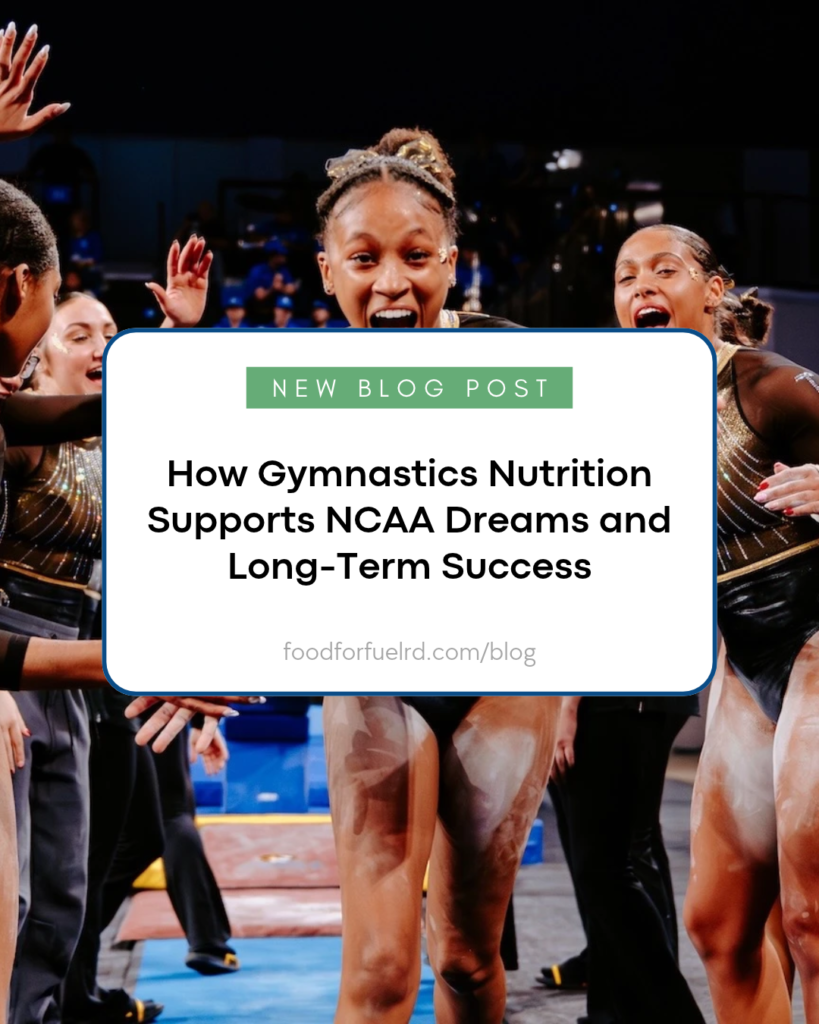
Signing Season Is Here: Is Your Gymnast Fueling Their Future?
November is an exciting time in the gymnastics community. For families of the high school Class of 2027, the NCAA signing period represents the culmination of years of early mornings, long practices, countless repetitions, and dedication to a dream.
Watching a gymnast commit to a college program is a reminder of what is possible when talent, hard work, coaching, and opportunity come together.
But here’s an important question for every gymnast and parent: Are you building the nutrition habits that will support your athlete not just through recruiting, but throughout her gymnastics career?
College gymnastics is an incredible milestone, but reaching that milestone is only part of the journey. Gymnasts also need the energy to train, the nutrients to recover, and the support to protect their health as their athletic demands evolve.
That’s where sports nutrition comes in.
Whether your gymnast is preparing for college recruitment, competing at the highest levels of club gymnastics, or simply hoping to enjoy the sport for years to come, proper fueling can help build a foundation for performance, recovery, and long-term health.
As a registered dietitian for gymnasts, I believe nutrition should empower gymnasts to become stronger, more confident athletes without unnecessary food rules, restrictive eating, or pressure to change their bodies.
Let’s explore how nutrition can support your gymnast’s goals today while helping them prepare for tomorrow.
What Does Adequate Nutrition Do for a Competitive Gymnast?
Gymnastics requires a unique combination of strength, power, flexibility, coordination, concentration, and precision. Training often involves repeated high-intensity efforts, conditioning, skill progressions, and long practice sessions.
To meet these demands, gymnasts need enough food and fluids to support both their training and their body’s everyday needs.
Nutrition helps support:
- Energy and concentration: Adequate fueling helps gymnasts stay engaged, focused, and ready to perform complex skills.
- Muscle repair and adaptation: Protein, carbohydrates, and sufficient overall energy help the body recover and adapt to training.
- Growth and development: Young athletes need additional nutritional support as their bodies grow and mature.
- Bone health: Adequate energy, calcium, vitamin D, and other nutrients support developing and maintaining strong bones.
- Training consistency: Appropriate fueling and recovery can help athletes better tolerate demanding training schedules.
- Overall well-being: Meeting nutritional needs supports normal physiological functions, immune health, and general well-being.
Nutrition does not guarantee a particular competitive result, prevent every injury, or secure a college scholarship. However, it is a foundational part of helping athletes train and develop in a healthy, sustainable way.
For a gymnast hoping to compete in college, that foundation matters long before signing day arrives.
The Connection Between Gymnastics Nutrition and Athletic Longevity
In the sport of gymnastics, longevity means more than staying in the sport for as many years as possible. It means having the physical health, energy, and positive relationship with food, body, and training needed to continue participating and progressing.
For many gymnasts, the ultimate goal isn’t just to reach the next level. It’s to keep improving, enjoy the sport, and have opportunities to compete throughout their athletic careers.
Nutrition plays an important role in that process.
Why Training Harder Isn’t Always the Answer
Gymnasts are often taught to work hard, repeat skills, push through challenges and pain, and stay committed to their goals. Those qualities can be valuable, but training is only one part of athletic development.
The body also needs sufficient energy, rest, and recovery to adapt to the work being done.
When training demands increase without a corresponding increase in food intake, an athlete may struggle to meet her nutritional needs. Busy school schedules, missed meals, long practices, and limited opportunities to eat can all contribute to this problem, even when no one intends for the athlete to underfuel.
Over time, inadequate fueling can affect energy levels, recovery, bone health, hormonal function, and athletic performance.
The goal isn’t simply to train harder. It’s to support the body well enough to benefit from training.
How Under Fueling Can Affect a Gymnast’s Health
Under fueling occurs when an athlete does not consume enough energy to meet the combined demands of exercise, growth, and normal body functions.
One potential consequence is Relative Energy Deficiency in Sport (REDs), a condition associated with prolonged or severe low energy availability.
REDs can affect athletes of different genders and ages. Potential consequences include impaired recovery, changes in reproductive function, compromised bone health, increased risk of bone stress injuries, and declining performance.
In gymnastics, where repetitive impact and demanding skills place substantial stress on the body, adequate fueling and bone health deserve particular attention.
Possible warning signs include persistent fatigue, recurrent injuries, difficulty recovering between practices, frequent illness, and menstrual changes in athletes who menstruate. These symptoms can have many causes, so they should be evaluated by an appropriate healthcare professional rather than self-diagnosed.
Building Habits That Support a Longer Career
Gymnasts do not need a perfect diet to support their athletic development. They need consistent, flexible habits that help them meet their needs.
That means eating regularly, including carbohydrates, protein and fats, consuming enough overall food, staying hydrated, prioritizing sleep, and allowing adequate recovery.
It also means avoiding unnecessary food restrictions and recognizing that nutritional needs change as training volume, growth, and competition demands change.
When nutrition becomes part of an athlete’s long-term development plan, it can support a healthier relationship with food and training, not just the next competition.
How Parents Can Support Gymnastics Nutrition Without Creating Food Pressure
Parents play an important role in helping young athletes develop healthy fueling habits. But supporting nutrition does not mean policing every bite, counting every calorie, or making food a source of stress.
The most helpful approach is to make nourishment accessible and keep the focus on health, performance, growth, and well-being.
Make Food Convenient
Busy gymnastics schedules can make consistent eating difficult. Parents can help by keeping portable snacks available, planning meals around practice, and identifying easy options for travel and competition days.
A little preparation can reduce the likelihood that a gymnast goes hours without eating because there is nothing convenient available.
Avoid Weight-Focused Comments
Comments about body size, appearance, or the idea that an athlete needs to look a certain way to succeed can contribute to unnecessary pressure.
Instead, reinforce messages about strength, energy, skill development, recovery, confidence, and enjoying the sport.
Avoid labeling foods as morally good or bad. A flexible relationship with food is more sustainable than a long list of restrictions.
Recognize That Needs Change During Growth
A growing gymnast may experience changes in appetite, body composition, energy needs, and training demands. These changes are a normal part of development.
Rather than assuming an athlete should eat the same amount year after year, families should recognize that nutritional needs evolve.
A gymnast’s food intake should support growth and training, not simply maintain a particular body size.
Know When to Seek Support
If your gymnast experiences persistent fatigue, recurrent injuries, significant changes in eating behavior, anxiety around food, or menstrual changes, consider discussing these concerns with a healthcare professional.
A registered dietitian who specializes in sports nutrition and understands gymnastics can help families navigate individual needs without unnecessary restrictions.
Parents seeking age-appropriate guidance can also explore the Fueling the Compulsory Gymnast Workbook for practical nutrition education.
What NCAA-Bound Gymnasts Should Know About Nutrition
For families of the Class of 2027, the fall signing period brings college gymnastics dreams into sharper focus.
College Gymnastics Requires More Than Skills and Scores
Recruiting involves many factors, including gymnastics ability, competitive results, academic preparation, communication, program needs, and opportunities within each college team.
Nutrition does not replace any of these factors, but it supports the athlete who is working toward them.
Adequate fueling can help support training quality, recovery, growth, and overall health. Those foundations matter as gymnasts work through demanding competitive seasons and prepare for the next stage of their athletic careers.
Build Sustainable Habits Before College
College brings new routines and responsibilities. Student-athletes need to navigate classes, training, strength and conditioning sessions, team travel, dining halls, and recovery with greater independence.
Learning how to plan meals and snacks before reaching college can make that transition easier.
Useful habits include:
- Recognizing hunger and responding to it.
- Eating consistently throughout the day.
- Building appropriate performance plates.
- Packing snacks for long days on campus.
- Staying hydrated during training and travel.
- Seeking help when nutritional needs or schedules become difficult to manage.
These are practical life skills, not simply performance strategies. Parents can help develop these habits gradually by involving gymnasts in grocery shopping, meal planning, and choosing portable foods they enjoy.
Signing Day Is the Beginning of a New Chapter
A college commitment is a milestone worth celebrating. But it is not the finish line for an athlete’s health, development, or relationship with food.
College gymnasts still need adequate energy to train, recover, study, and maintain their health. Their needs may change as the volume and structure of training evolve.
For families navigating the transition, the most valuable question is not simply, “What will help my gymnast perform this season?”
It is also, “What habits will help my gymnast stay healthy, adaptable, and supported throughout her athletic journey?”
That long-term perspective is what makes nutrition an investment in longevity.
Signs Your Gymnast May Need More Nutrition Support
Sometimes, even dedicated athletes and well-intentioned parents overlook signs that a gymnast’s nutritional needs may not be met.
Potential warning signs include:
- Persistent tiredness or low energy.
- Difficulty recovering between practices.
- Recurrent injuries or bone stress injuries.
- Frequent illness.
- Unexpected changes in performance.
- Menstrual irregularities in athletes who menstruate.
- Increasing fear around food or rigid eating rules.
- Difficulty keeping up with normal training demands.
These symptoms do not automatically mean that a gymnast is underfueled. Sleep problems, medical conditions, training load, stress, and other factors may also contribute.
However, they deserve attention, particularly when several signs occur together.
A healthcare professional can help identify possible causes, while a qualified sports dietitian can assess whether the athlete’s nutrition is appropriate for her growth and training demands.
The goal is to address concerns early and support the athlete’s health, rather than waiting for performance to decline or an injury to occur.
How Food for Fuel Helps Gymnasts Build a Stronger Foundation
Every gymnast has different nutritional needs. Age, training volume, growth, food preferences, medical history, and daily schedules all influence what adequate fueling looks like.
That is why gymnastics-specific nutrition education can be so valuable.
Food for Fuel helps gymnasts and families develop practical knowledge and sustainable habits that support athletic performance, recovery, and long-term health.
Depending on your gymnast’s needs, these resources can be a useful place to start.
For Gymnasts and Families Seeking Structured Education
Explore The Fueled Gymnast Academy, a gymnastics nutrition education resource for gymnasts and their families.
It can help families build a stronger understanding of fueling and develop routines that fit the realities of competitive gymnastics.
For Parents Who Want Practical Tools
The Fueled Gymnast Toolkit offers educational resources and practical tools to help make nutrition concepts easier to apply in everyday life.
For families who want guidance they can use around school, practice, and competition schedules, a structured resource can be a helpful starting point.
For Gymnasts Who Need Individualized Guidance
Some athletes need more personalized support, particularly when training demands are high, recovery is challenging, or nutrition questions are difficult to resolve independently.
Learn more about one-on-one nutrition coaching with Food for Fuel to explore whether individualized support may be appropriate for your gymnast.
Professional nutrition guidance should complement, not replace, medical evaluation when an athlete has concerning symptoms or a suspected health condition.
Frequently Asked Questions About Gymnastics Nutrition and NCAA Goals
What should a gymnast eat to improve performance?
Gymnasts need enough overall food to support training, growth, and normal body functions. Meals and snacks should regularly include carbohydrates for energy, protein for growth and recovery, and dietary fats for overall health. Fruits, vegetables, and nutrient-rich foods help round out the diet. Individual needs vary based on age, training, and other factors.
How can nutrition help a gymnast stay in the sport longer?
Adequate nutrition supports recovery, bone health, growth, and normal physiological function. Consistent fueling can help athletes better meet the demands of training and reduce the risks associated with prolonged underfueling. Longevity also depends on appropriate coaching, rest, medical care, and a healthy training environment.
How much should a competitive gymnast eat?
There is no single amount that is appropriate for every gymnast. Nutritional needs depend on age, growth, training duration and intensity, recovery demands, and individual health. Rather than using a universal calorie target, families should focus on regular, adequate meals and snacks and seek individualized guidance when needed.
What should a gymnast eat before and after practice?
Before practice, convenient carbohydrate-rich meal such as a peanut butter and banana with toast, chicken and rice bowl, or yogurt with fruit and granola can provide energy. After practice, options that combine carbohydrates and protein (such as a sandwich, yogurt with fruit, or rice with chicken or tofu) can support recovery. The best choices depend on timing, appetite, and the athlete’s preferences.
Can under fueling increase a gymnast’s risk of injury?
Yes. Prolonged or severe low energy availability can negatively affect bone health and other physiological systems, potentially increasing the risk of bone stress injuries and impairing recovery. Injury risk has multiple contributing factors, so recurring injuries should be evaluated by an appropriate healthcare professional.
Why is nutrition important for NCAA-bound gymnasts?
Nutrition supports the energy, recovery, growth, and overall health needed to participate in demanding training. College-bound gymnasts also benefit from learning to manage meals, snacks, and hydration as they prepare for more independent schedules. Nutrition supports athletic development but does not guarantee recruitment, scholarships, or competitive results.
How can parents tell if their gymnast isn’t eating enough?
Potential warning signs include persistent fatigue, recurrent injuries, difficulty recovering, menstrual changes, frequent illness, and increasing anxiety around food. These signs can have multiple causes and should not be used to diagnose underfueling independently. A healthcare professional and a qualified sports dietitian can help assess the athlete’s needs.
When should a gymnast work with a sports dietitian?
A sports dietitian may be helpful when a gymnast has questions about fueling, struggles to meet nutritional needs around practice, experiences recurrent injuries or persistent fatigue, or is transitioning to a more demanding training environment. Individualized support is especially important when there are concerns about growth, menstrual function, bone health, restrictive eating, or possible REDs.
Fueling Today’s Gymnast Builds Tomorrow’s Opportunities
Signing season celebrates the hard work that brings gymnasts closer to their college dreams. But a successful athletic journey is about more than a commitment announcement, a competition result, or the next skill.
It’s about building the habits that support the athlete behind the performance.
Consistent nutrition, adequate recovery, sufficient energy, and a positive relationship with food can help gymnasts support their health while working toward ambitious goals.
For parents, that means creating an environment where food supports growth, performance, and well-being rather than becoming another source of pressure.
For gymnasts, it means recognizing that eating enough is part of training—not a distraction from it.
And for families preparing for NCAA gymnastics, it means looking beyond signing day and investing in the habits that can support the next chapter.
Ready to help your gymnast fuel with confidence?
Explore Food for Fuel’s gymnastics nutrition resources to discover practical education and support for your athlete’s stage of development.
Because the goal isn’t just to get to the next level. It’s to build a foundation that helps your gymnast thrive along the way.