The Gymnast’s Guide to Recovery Nutrition: Quick & Easy Post-Practice Meals
You just finished a 4 hour practice.
Your muscles are tired. Your brain is fried. You’re starving… but it’s also 9:00 PM, and the last thing you want to do is figure out what to make for dinner.
Maybe you grab a few bites of whatever is easiest.
Maybe you tell yourself you’ll just eat tomorrow.
Or maybe you skip dinner altogether because, well… it’s late.
But here’s what I want every gymnast and gymnast parent to know:
Eating after practice isn’t something you need to feel guilty about. It’s part of training.
As a gymnast, you just asked your body to jump, tumble, sprint, lift, swing, land, and perform for hours. Now your body needs the raw materials to recover from all of that work.
Because practice is where you create the stimulus.
Recovery is where your body does something with it.
And recovery nutrition is a huge part of that process.
So let’s take the pressure off.
You don’t need to cook an elaborate meal at 9:30 PM.
You don’t need a “perfect” recovery meal.
You just need to make sure your gymnast gets enough food, especially carbohydrates and protein, along with fluids, after practice.
And I’ve got some incredibly easy ideas to help.
Why Eating After Gymnastics Practice Matters
If your gymnast is training hard several days a week, what they eat after practice can have a major impact on how they feel tomorrow and how they perform at the next practice.
1. It helps replenish energy stores
Gymnastics practice uses a LOT of energy in the form of stored carbohydrate, also called muscle glycogen. By the time practice is over and the day is done, these stores are empty.
Eating carbohydrates after practice from foods like rice, pasta, potatoes, bread, fruit, cereal, and tortillas help replenish those stores so your gymnast can go into her next practice with energy in the tank.
Think of it like filling the gas tank back up after a long drive.
If a gymnast finishes practice and doesn’t eat enough afterward, they’re starting the next day with a tank that may already be partially empty.
2. It supports muscle and tissue repair
Training creates stress on the body.
Protein provides the amino acids your gymnast needs to repair and remodel muscle and other tissues after practice.
That’s why pairing carbohydrates + protein after training is such an important part of recovery.
3. It supports bone health and injury recovery
Your gymnast’s bones, tendons, ligaments, and connective tissues are also adapting to the demands of gymnastics.
Adequate overall energy intake, carbohydrates, protein, calcium, vitamin D, and other micronutrients all play important roles in keeping the body strong and helping it rebuild after a workout.
And this is one reason why consistently under-fueling isn’t something we want to brush off as simply “not being hungry.”
4. It helps replace fluids and electrolytes
Your gymnast loses fluid and electrolytes through sweat during a workout, especially when it is longer than 2 hours or in hot or humid weather.
Water is important, but food also contributes fluid, sodium, potassium, and other nutrients that help support rehydration.
For a gymnast who has had a long, sweaty practice, pairing fluids with a meal or snack is a great way to continue the recovery process.
5. It prepares them for tomorrow
This might be the biggest reason of all.
Your gymnast doesn’t just need to recover from today’s practice. They need to be ready for tomorrow’s practice, too.
Consistently going into training tired, hungry, sore, or under fueled can make it harder to train well, and over time, inadequate fueling can contribute to poor recovery and increased risk of injury.
The 3 Building Blocks of a Great Post-Practice Meal
When you’re standing in the kitchen at 9:15 PM wondering what on earth to feed your gymnast, keep it simple.
Think:
CARBOHYDRATE + PROTEIN + FLUID
That’s your starting point.
Carbohydrates = REFUEL
Carbohydrates are your gymnast’s primary fuel source during higher-intensity exercise.
After practice, include foods such as:
- Rice
- Pasta
- Potatoes
- Bread or toast
- Tortillas
- Oatmeal
- Cereal
- Crackers
- Fruit
- Granola
- Pretzels
Protein = REBUILD
Protein supplies amino acids needed for muscle repair and adaptation.
Easy options include:
- Milk
- Greek yogurt or Skyr
- Cottage cheese
- Eggs
- Chicken
- Turkey
- Beef
- Tuna or salmon
- Beans
- Lentils
- Tofu
- Edamame
- Nut or seed butter
Fluids = REHYDRATE
Encourage your gymnast to drink after practice and continue drinking with their meal.
Depending on the length and intensity of practice, temperature, and how much she sweats, an electrolyte-containing drink or salty foods may also be helpful.
And remember: hydration doesn’t have to happen all at once when practice ends.
Keep the water bottle nearby and continue replacing fluids throughout the evening.
What About the “30–60 Minute Window”?
You’ve probably heard that your gymnast has to eat within exactly 30 or 60 minutes after practice or she’s going to “miss the recovery window.”
Take a deep breath.
It isn’t that dramatic.
Getting carbohydrates and protein in reasonably soon after practice is a good habit, especially when your gymnast has another practice coming up within the next day.
But recovery doesn’t suddenly stop at 61 minutes.
If your gymnast has a long drive home, a shower, homework, or a late-night dinner, don’t panic. It may be helpful to have a small snack or dinner in the car if possible, but is not always necessary.
The bigger picture is making sure they are consistently eating enough throughout the day and getting a solid recovery meal or snack after practice.
In other words:
Don’t stress about perfection. Build the habit.
Don’t Forget the Rest of the Plate
Carbohydrates and protein get a lot of attention when we talk about recovery, but your gymnast needs more than just those two nutrients.
When possible, look to incorporate a variety of vitamins, minerals, antioxidants, and other compounds that support overall health and recovery.
Some great additions include:
Calcium-rich foods
Important for growing bones and bone health.
Try:
- Milk
- Yogurt
- Cheese
- Fortified soy milk
- Fortified orange juice
- Calcium-set tofu
- Chia seeds
Vitamin C-rich foods
Vitamin C supports collagen formation and connective tissue health.
Try:
- Strawberries
- Kiwi
- Oranges
- Cantaloupe
- Bell peppers
- Broccoli
- Tomatoes
Omega-3-rich foods
Omega-3 fats are part of a balanced diet and can be found in foods such as:
- Salmon
- Tuna
- Sardines
- Chia seeds
- Flaxseed
- Hemp seeds
- Walnuts
- Edamame
Colorful fruits and vegetables
The easiest rule?
Add some color.
Berries. Cherries. Grapes. Spinach. Sweet potatoes. Peppers. Broccoli. Tomatoes. Purple cabbage.
It doesn’t have to be fancy.
How to Make Late-Night Recovery Nutrition EASY
Here’s where I really want to take the pressure off parents.
If your gymnast gets home late, you do not need to make a gourmet dinner from scratch.
In fact, I would argue that having easy options available is one of the best things you can do to support consistent fueling.
Cook once. Eat twice.
Making chicken for dinner?
Cook extra.
Making rice?
Make extra.
Roasting potatoes?
Throw another tray in the oven.
Making pasta?
Make enough for leftovers.
Future-you will be VERY happy you did.
Keep a recovery-friendly pantry and freezer stocked
Some of my favorite staples:
Carbohydrates
- Quick oats
- Bread
- English muffins
- Tortillas
- Crackers
- Cereal
- Pretzels
- Rice
- Pasta
- Granola
- Frozen fruit
Protein
- Eggs
- Greek yogurt
- Cottage cheese
- Milk
- Canned tuna or salmon
- Beans
- Lentils
- Nut butter
- Pre-cooked chicken
- Turkey meatballs
- Tofu
- Edamame
Easy extras
- Shredded cheese
- Hummus
- Salsa
- Pesto
- Avocado
- Frozen vegetables
- Fruit
- Nuts and seeds
You don’t need all of these. Pick the foods your family actually eats.
8 Quick & Easy Post-Practice Meals for Gymnasts
These are not meant to be “perfect recipes.”
They’re starting points.
Adjust portions based on your gymnast’s hunger, training demands, age, and individual needs.
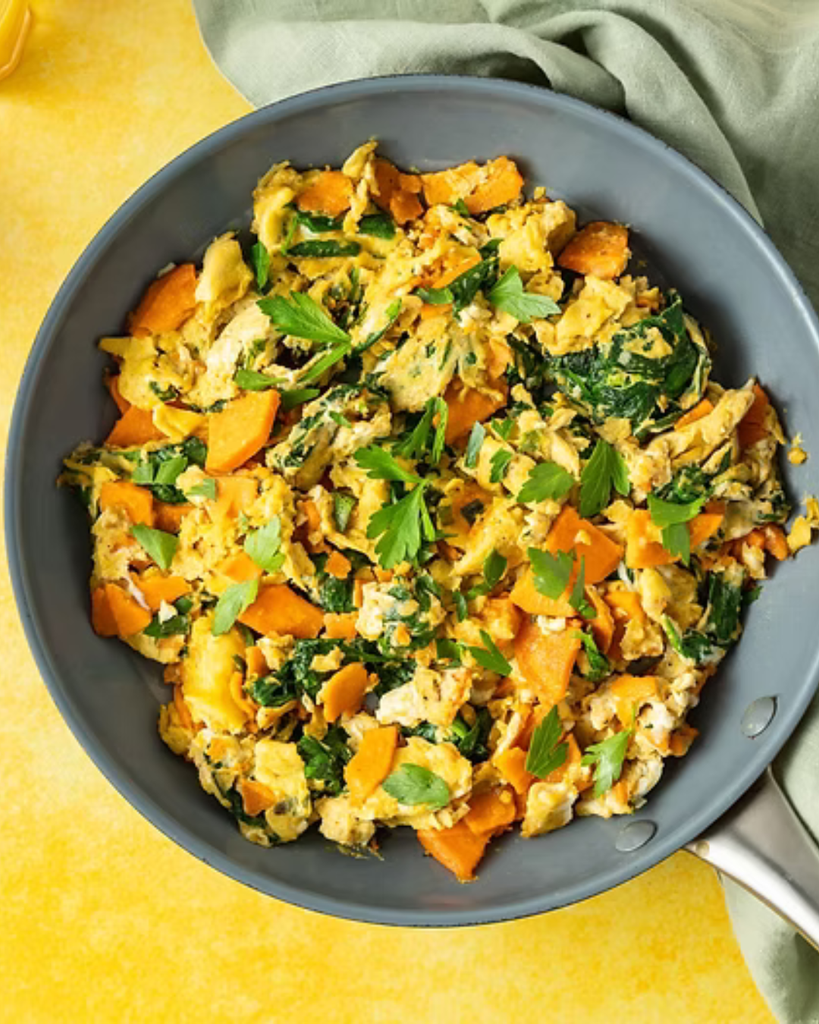
1. The 10-Minute Power Scramble
This one is perfect when you want something warm but don’t have the energy for a big production.
You’ll need:
- Eggs
- Spinach
- Leftover potatoes or quinoa
- Shredded cheese
- Optional chicken or black beans
- Toast or an English muffin
How to make it:
Scramble the eggs with spinach, add your leftover carbohydrate and protein, top with cheese, and serve with toast or an English muffin.
The goal: protein + carbohydrates + some produce in one easy meal.
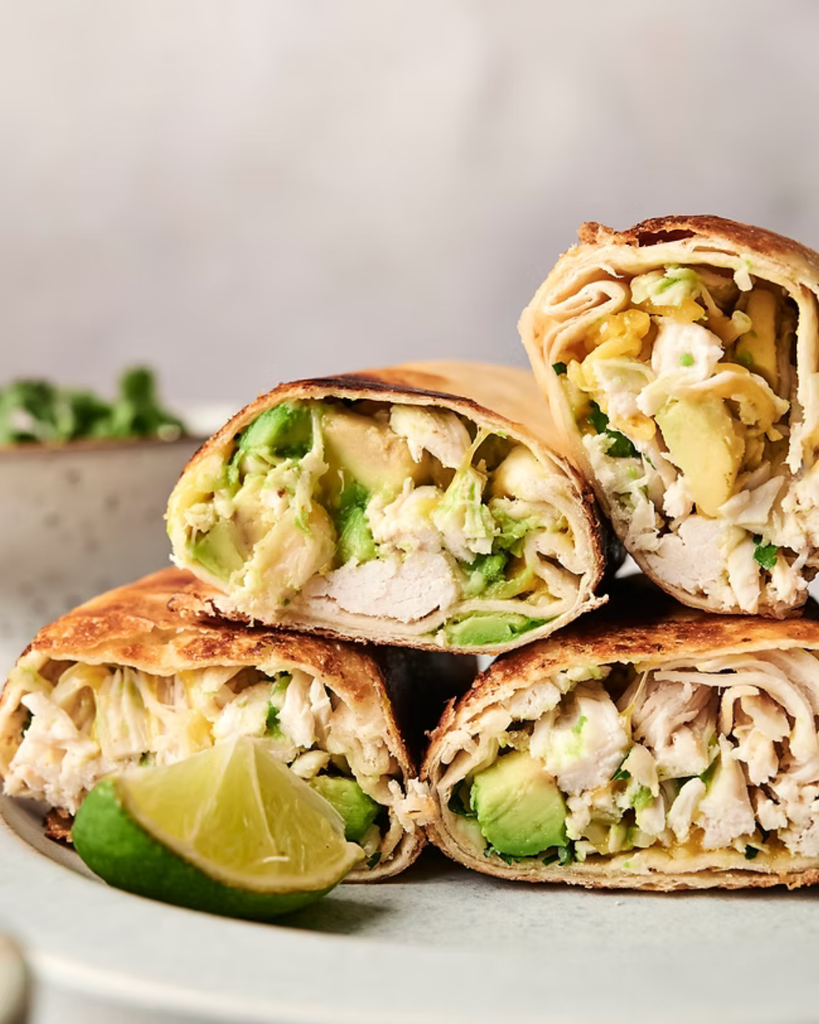
2. The No-Cook Recovery Wrap
For the nights when nobody wants to cook.
You’ll need:
- Whole wheat tortilla
- Hummus or avocado
- Pre-cooked chicken OR chickpeas
- Spinach or shredded vegetables
- Cheese
- Fruit on the side
Spread, layer, roll, eat.
That’s it.
No stove required.
No complicated recipe required.
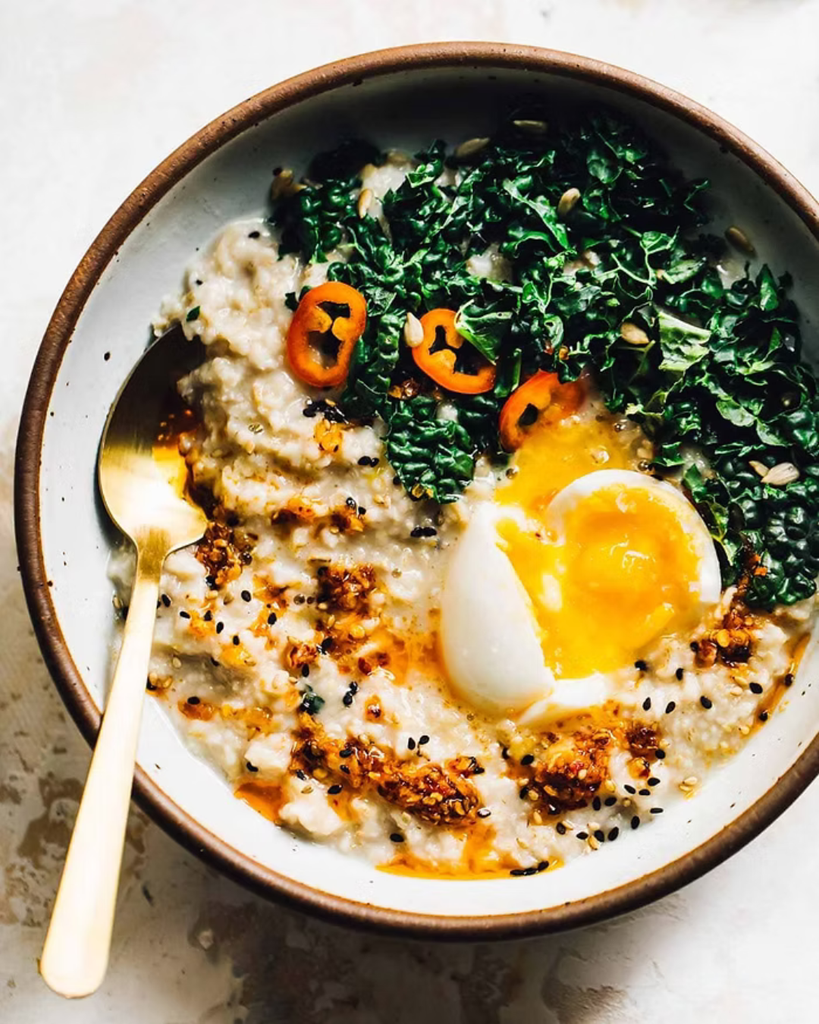
3. Speedy Savory Oatmeal
Oatmeal isn’t just for breakfast!
You’ll need:
- Quick-cooking oats
- Milk or broth
- Egg
- Spinach
- Shredded cheese
- Everything bagel seasoning or your favorite seasoning
Cook the oats, stir in the spinach, add the egg and cheese, and season to taste.
Pair it with fruit and/or crackers for additional carbohydrates.
It’s warm, filling, and takes just minutes.
4. The 5-Minute Everything Bowl
This is one of my favorite ways to use leftovers.
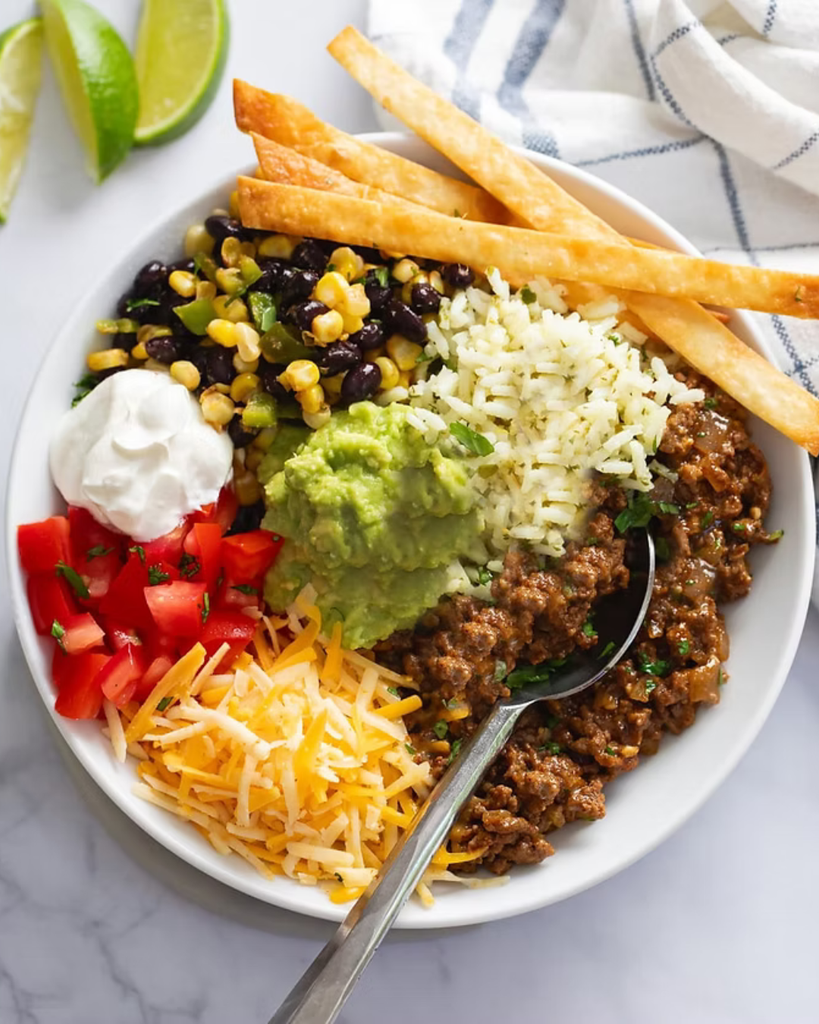
Start with:
- Rice or quinoa
- Black beans
- Chicken or tofu
- Salsa
- Avocado
- Cheese
- Lime
Heat the rice, add your toppings, and you’re done.
And here’s the beauty of a bowl:
You can use whatever you have.
Leftover chicken? Add it.
No chicken? Use beans.
Leftover roasted vegetables? Throw them in.
No avocado? Skip it.
The goal isn’t to follow a recipe.
The goal is to build a balanced meal quickly.
5. Turkey and Vegetable Teriyaki Udon Stir Fry
This stir fry dish is perfect to have straight from the fridge or heated up in the microwave. It’s the perfect batch cook recipe to have for lunches throughout the week!
Makes 4 Meals
Ingredients:
- 28oz udon noodle packets
- 1 lb mixed stir fry vegetables (fresh or frozen)
- 1 lb ground turkey/chicken
- 3 tbsp teriyaki sauce
- 2 tbsp soy sauce
- Salt/pepper
Directions:
- Heat a large pan on medium heat and pour in cooking oil of choice
- Add the meat, seasoning with salt and pepper and cook thoroughly then set aside
- In the same pan, add a bit more oil if needed and sauté to soften the veggies
- Once they are almost cooked, add in the udon noodle packets and a splash of water to loosen the udon
- When the udon is cooked, add back the turkey, teriyaki sauce and soy sauce
- Once combined, divide into 4 portions and serve
Optional: sprinkle green onions and sesame seeds
6. Multi-use Taco Filling
A versatile taco filling can be a game-changer for busy gymnasts, offering endless possibilities to diversify their meals. By preparing a flavorful taco filling in bulk, gymnasts can effortlessly transform it into various dishes like taco bowls, burritos, wraps, and even sandwich fillings throughout the week.
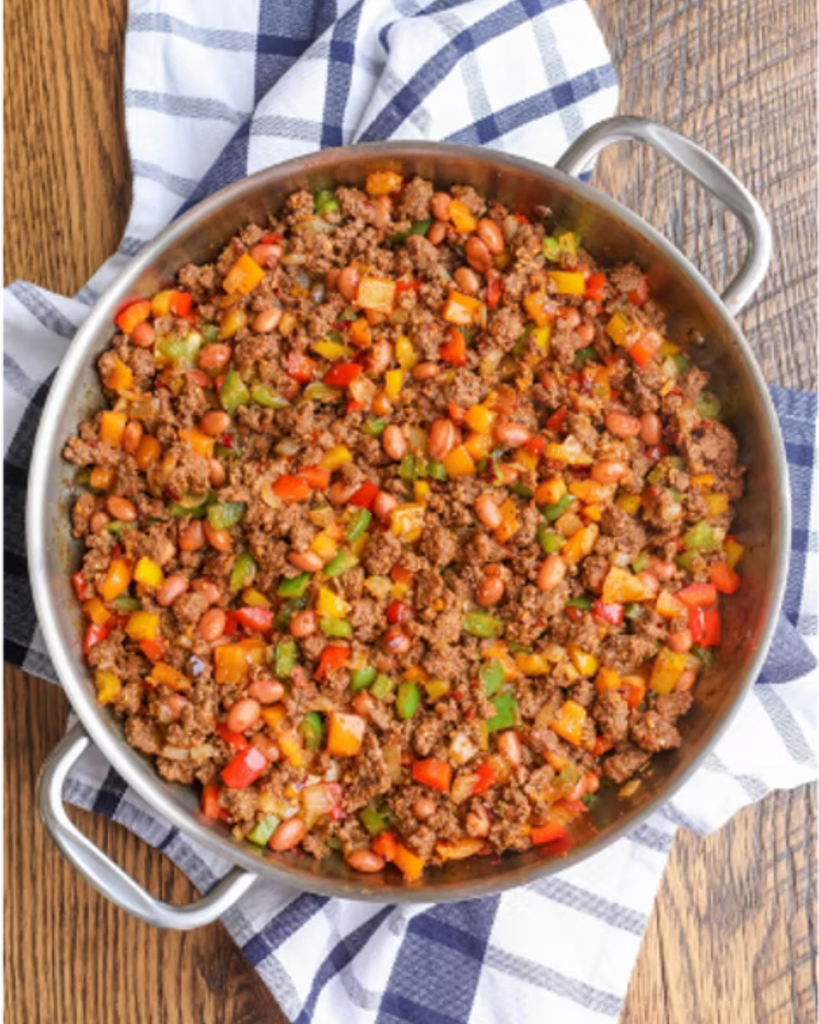
Makes 4 Servings
Ingredients:
- 2 tbsp taco seasoning
- 1 tsp sea salt and ground black pepper
- 1 lb ground beef/turkey (or cooked lentils for a vegetarian version)
- 1 red bell pepper
- 1 yellow bell pepper
- 1 large red onion
Directions:
- Slice the onion, red and yellow bell peppers
- In a large skillet over medium high heat, cook the peppers and onions until they are soft, season with salt and pepper. Remove from pan, set aside.
- Add ground turkey to hot skillet, season with taco seasoning, and cook until the meat has browned and cooked through
- Add back in the cooked onions and bell peppers and divide filling mixture into 4 portions
Use This Recipe Multiple Ways:
- Burrito bowls: Add taco filling to a bed of rice, add any desired vegetables: a scoop of black beans, corn, salsa, cheddar cheese, avocado and lettuce
- Tacos: Warm up 3-4 mini taco shells, add a spoon full of meat filling to each taco and top with lettuce, guacamole, cheese, diced tomatoes, beans and salsa
- Burrito: Add the meat filling, cheese, lettuce and avocado to the middle of the wrap and fold tightly. Heat the wrapped burrito on a heated pan before serving
- Sandwich: Toast two slices of bread, layer with with a slice of lettuce and cheese before adding the taco meat and slice into two
- Taco Salad: Start with a bowl of greens. Top with the taco filling, cheese, salsa, corn, beans, avocado, and a cilantro lime dressing
7. Sheet Pan Greek Lemon Chicken and Vegetables with Fresh Tzatziki
This dinner recipe is super easy for planning ahead as everything can be made in a single sheet plan. Simply mix and match the vegetables to keep things varied and you’ve got a balanced yet delicious meal!
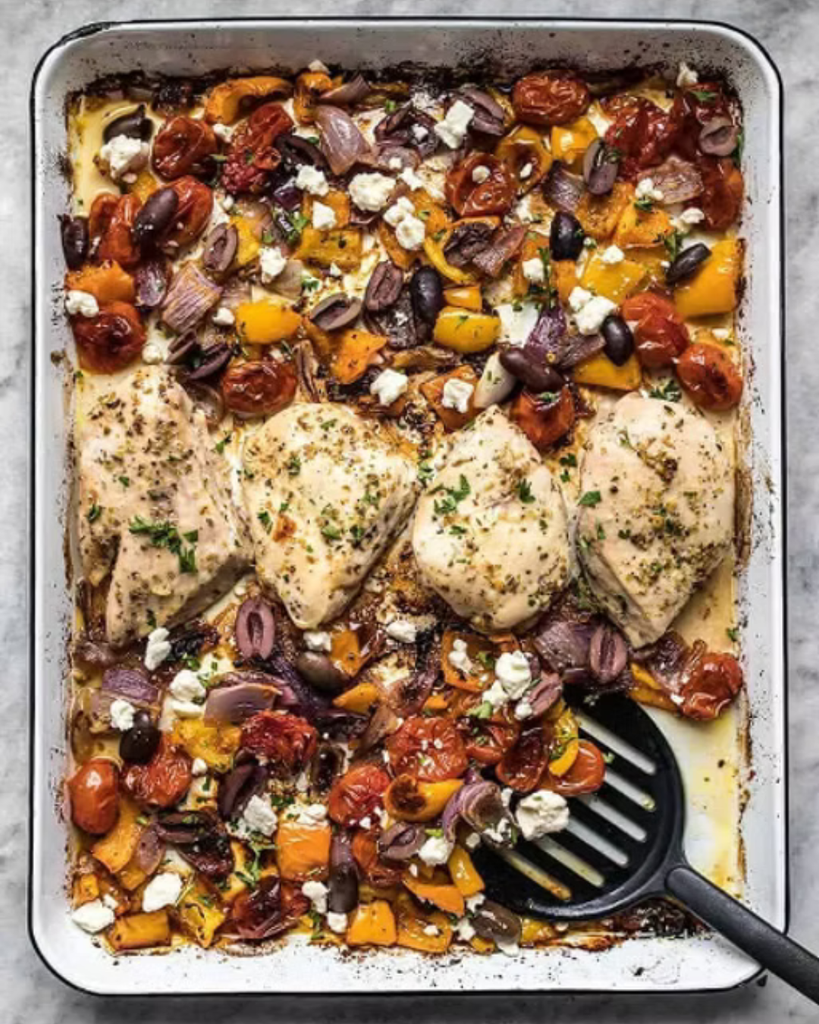
Ingredients:
- 1 1/2 pounds of chicken breast cut into bite size chunks
- 1 yellow bell pepper thinly sliced
- 1 red bell pepper thinly sliced
- 1 large red onion thinly sliced
- 1 large zucchini sliced
- 1 head of broccoli cut up
- 1 1/2 tbsp of extra virgin olive oil
- 1 tsp of kosher salt
- Several turns of freshly ground pepper
- 2 tsp of chili powder
- 1/2 tsp garlic powder
- 1/2 tsp onion powder
- 1/2 tsp ground cumin
- 1/2 tsp smoked paprika
- Squeeze of lemon juice
- Fresh garlic cloves
- Fresh cilantro for garnish
- 2 large potatos diced
- Tzatziki
- 1C plain greek yogurt
- ½ diced cucumber
- 2 tbsp fresh chopped dill
- 1 tbsp fresh mint
- 1 large spring onion
- Juice of 1 lemon
Directions:
- Preheat oven to 425F degrees
- In a large bowl, toss the potatoes in olive oil, salt, pepper and garlic powder
- Place into a baking tray for 25 minutes
- In the mean time, in a large bowl, combine onion, bell pepper, chicken, zucchini, broccoli olive oil, salt and pepper and spices
- Toss to combine
- Spray baking sheet with non stick cooking spray (line with parchment paper or foil for an easier cleanup)
- Spread chicken and all the vegetables on the baking sheet in one even layer
- Add slits to the chicken and insert sliced fresh garlic into the slits
- Squeeze lemon juice over the chicken and place thin lemon slices into the chicken
- Cook the chicken and vegetables for 20 minutes with the potatoes (potatoes cook for around 45 minutes)
- To prepare the tzatziki, in a bowl, mix the yogurt, cucumber, dill, mint, spring onion and juice of 1 lemon and set aside.
- To serve, spread the tzatziki on a large plate, top with the roasted mix, sprinkle over some extra chopped dill, and enjoy!
8. The “I’m Too Tired to Eat” Smoothie
Sometimes your gymnast is exhausted.
Sometimes she’s not interested in chewing.
Sometimes a smoothie is simply the easiest option.
And that’s okay.
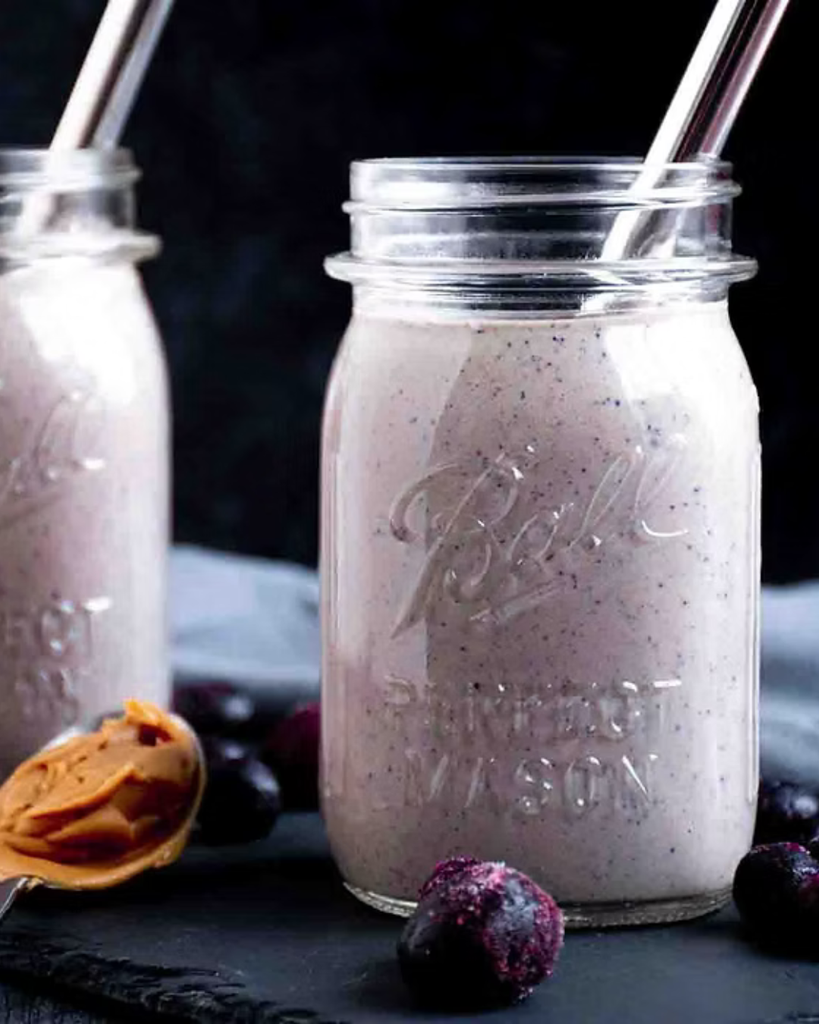
Blend together:
- Milk, soy milk, or any milk with protein
- Greek yogurt
- Banana
- Berries or cherries
- Nut or seed butter
- Optional protein powder for appropriate athletes
- Optional oats
Then top with granola or pair it with cereal, toast, or another carbohydrate-rich food if your gymnast needs a more substantial recovery meal.
A smoothie absolutely counts as recovery nutrition.
What If It’s REALLY Late?
This is a question I get all the time.
“But if my gymnast gets home at 9:30 or 10 PM, shouldn’t they avoid eating because it’s so late?”
No.
Their body doesn’t suddenly stop needing fuel because the clock says 9:30pm.
If they have been training for several hours, they still needs to eat.
Late-night eating isn’t inherently “bad.”
For a gymnast with late practices, late-night fueling may simply be part of the normal training schedule.
The solution isn’t necessarily to eat less.
The solution is to make the food easy enough that they can actually eat it.
Recovery Nutrition Doesn’t Have to Be Perfect
I want to leave you with this:
Your gymnast does not need to eat a Pinterest-worthy meal after every practice.
She doesn’t need to hit a perfect macro ratio.
She doesn’t need to measure every bite.
And she definitely doesn’t need to feel like she’s “earning” food because she trained hard.
She needs consistent, adequate nutrition that supports the demands you’re asking her body to meet.
Some nights that might look like chicken, rice, and vegetables.
Some nights it’s a turkey sandwich and fruit.
Some nights it’s a smoothie and cereal.
Some nights it’s leftovers thrown into a bowl at 9:47 PM.
They’re all okay.
Because the goal isn’t perfection.
The goal is to help your gymnast have enough energy to train, recover, grow, stay healthy, and show up ready to do it all again.
And that starts with learning how to fuel outside of the gym—not just inside it.
Want to Feel More Confident About Fueling Your Gymnast?
If you’re reading this thinking, “Okay, but how much does my gymnast actually need? What should she eat before practice? What about during meets? How do I know if they’re getting enough? And how do I teach HIM or HER to understand all of this?”
That’s exactly why I created The Fueled Gymnast Academy.
The Fueled Gymnast Academy is designed to help gymnasts and the people who feed them understand the why, what, when, and how of sports nutrition for gymnastics, without restrictive food rules or trying to follow a one-size-fits-all meal plan.
Inside the Academy, you’ll learn how to build meals and snacks around training, fuel before and after practice, navigate busy school days and competition days, understand hydration and recovery, and give your gymnast the knowledge and confidence to make fueling decisions for herself.
Because I don’t want gymnasts to spend their entire careers wondering:
“Am I eating enough?”
“Is this food okay?”
“What am I supposed to eat?”
I want them to understand how to fuel their bodies with confidence.
Your gymnast is already putting in the work in the gym.
Let’s make sure she’s getting the fuel she needs to get the most out of it.
Ready to help your gymnast become a more confident, knowledgeable, and well-fueled athlete?
👉 Learn more about the Fueled Gymnast Academy and start fueling with confidence.