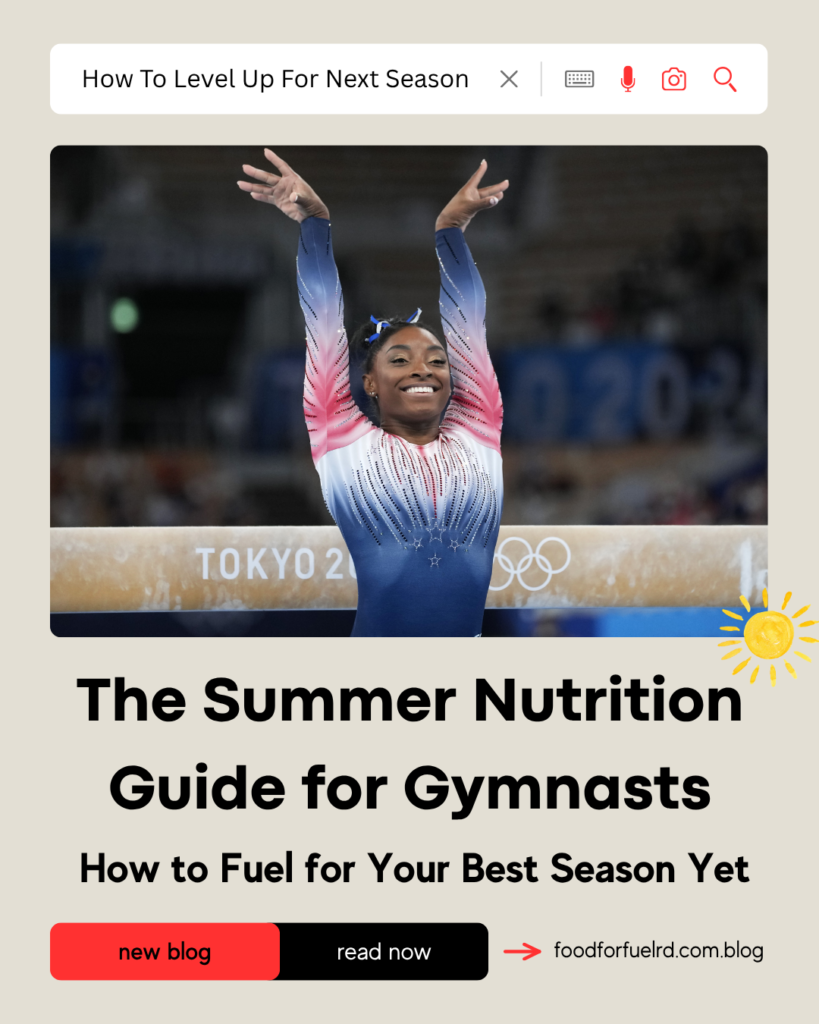
The Summer Nutrition Guide for Gymnasts: How to Fuel for Your Best Season Yet
Summer is one of the most important times of the year for gymnasts.
But here’s the problem:a lot of gymnasts head into summer training under fueled.
They increase training hours, travel and attend camps, add extra conditioning and cardio, work on upgrades, and expect their bodies to adapt and improve… without actually giving their bodies enough fuel to support all of that work.
Over time, that catches up to them. Low energy, slower recovery, plateaued progress, constant soreness, and feeling exhausted halfway through practice become their “normal.”
Not because they aren’t talented. Not because they aren’t working hard enough. But because their body simply doesn’t have the energy available to keep up with the demands being placed on it.
If your gymnast wants to head into next season stronger, more energized, and more prepared, summer fueling matters more than most people realize. Here are some of the biggest nutrition tips every gymnast needs this summer.
Stop Underestimating How Much Fuel Summer Training Requires
One of the biggest mistakes I see as a registered dietitian for gymnasts during the summer is gymnasts start training more while still eating the same amount they did during lighter training periods. Longer practices, camps, double workout days, extra conditioning and strength work all increase energy demands.
Yet many gymnasts are still skipping breakfast before morning workout, going to practice with no snack, eating tiny lunches or barely eating after practice. Then they wonder why they constantly feel exhausted and sore.
The harder a gymnast trains, the more important fueling becomes. Summer is not the time to eat less. It’s the time to support the work your body is doing.
Here’s an example of fueling for a day of morning summer practice:
- Breakfast before practice:
- Eggs, bagel, fruit, and milk
- Mid-practice snack and hydration
- Applesauce, water, and a sports drink
- Lunch after practice
- Turkey sandwich, pretzels, fruit, veggies + dip, and a drink
- Afternoon snack
- Cheese, crackers, fruit
- Dinner
- Chicken, rice or pasta, veggies
- Bedtime Snack
- Yogurt, berries, granola
Of course, portion sizes are individual based on factors like age, gender, size, training, etc. and individual food choices vary based on individual preferences and availability. This does not need to be “perfect.” It just needs to provide enough energy to support training.
Fuel BEFORE Practice (Not Just After)
This is one of the biggest game changers for gymnasts.
So many athletes are trying to survive long practices on almost no fuel. While post-practice fuel matters for recovery and consistent day-to-day energy, what you eat before training matters too. Going into practice under fueled can lead to low energy, poor focus, feeling weak during routines, crashing halfway through practice, slower skill progress, and an increased risk of injury.
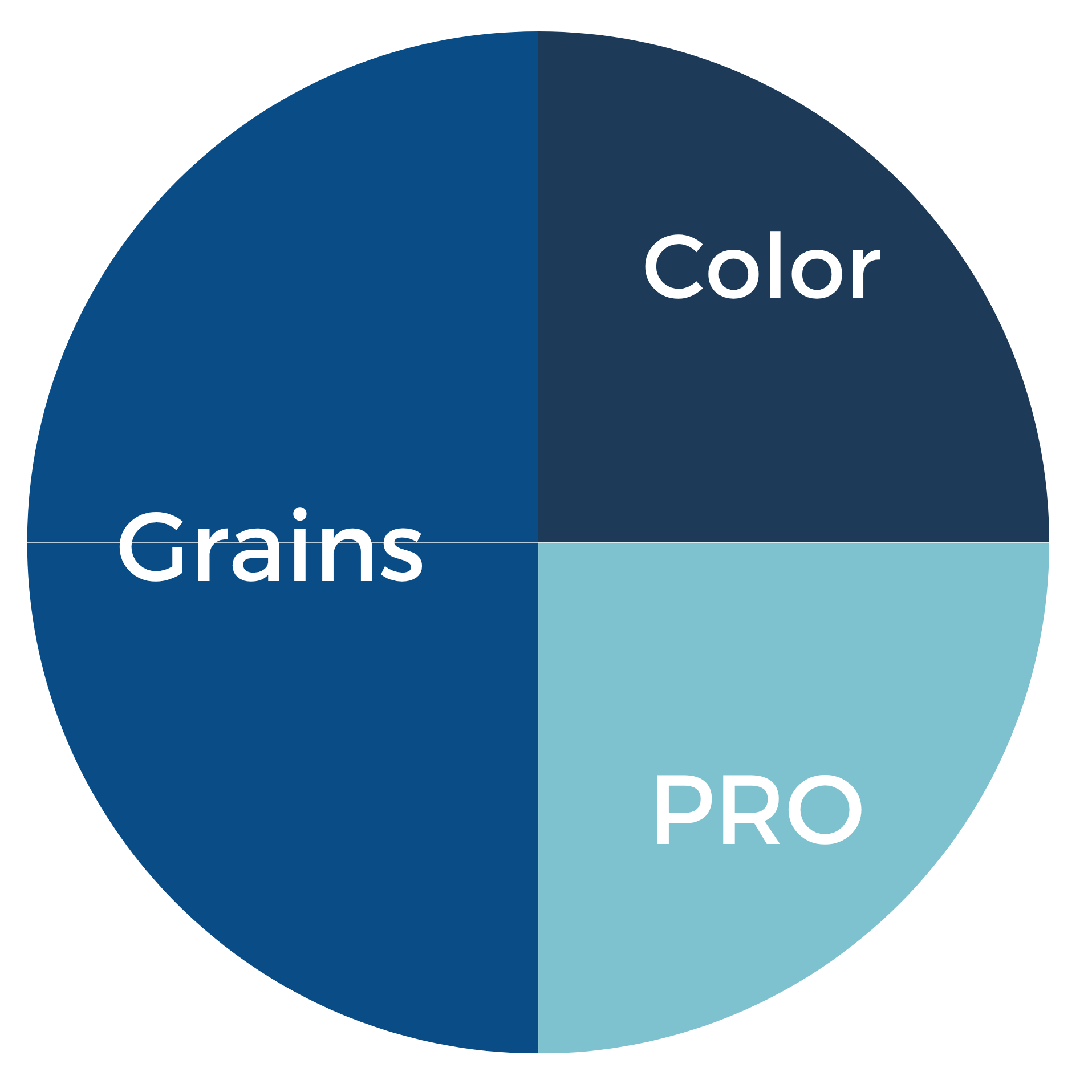
A gymnast’s body needs available energy to train well. Ideally, for a practice lasting 3 or more hours, a gymnast should be eating a meal 1-2 hours before the start of practice. This is true weather your practice is first thing in the morning, the middle of the day, or late at night. Ideally, this pre-practice meal should be high in carbohydrates (with low or moderate amounts of fiber), contain a moderate amount of protein, and a low amount of fat.
If practice is in 1–2 hours, some pre-practice meal ideas include:
- A Bagel + cream cheese, fruit
- Yogurt, fruit, granola
- Toast, eggs, fruit
- Waffles or pancakes, yogurt, fruit
- Banana and peanut butter wrap
- Oatmeal (made with milk), with fruit and nuts
- Peanut butter and jelly sandwich, fruit
The goal is not to eat “light.” The goal is to go into practice fueled. And with summer schedules, you have more freedom to actually make fueling meals a priority.
Carbs Are NOT The Enemy
Gymnastics culture has taught a lot of athletes to fear carbohydrates, but carbs are one of the body’s main energy sources during high-intensity training.
When gymnasts under-eat carbs, you often see energy crashes, poor endurance, difficulty concentrating, slower recovery, and constant fatigue. Carbs are not something gymnasts need to “earn.” They are fuel.
And summer training is one of the times gymnasts need them most.
Great carb sources for gymnasts include:
- Bread
- Bagels
- Rice
- Pasta
- Potatoes and Sweet Potatoes
- Tortillas and Wraps
- Fruit
- Granola bars
- Pretzels
- Oatmeal
- Cereal
These foods help provide the energy gymnasts need to train, recover, and perform consistently.
Recovery Nutrition Matters More Than You Think
A gymnast does not magically recover just because practice ended. Recovery truly starts with what happens after training.
The post-practice window is important for muscle and tissue repair, replenishing energy stores, supporting adaptation to training, and helping gymnasts feel ready for the next practice. A good recovery snack usually includes carbohydrates, protein, and fluids.
Easy recovery snack ideas that a gymnast can eat within 60 minutes of finishing practice include:
- Chocolate milk
- Greek yogurt + fruit
- Turkey or PBJ sandwich
- Protein bar + banana
- Smoothie with fruit + yogurt
- Cheese sticks + crackers
Recovery is part of training, not separate from it.
Hydration Impacts Performance Too
Summer training often means hotter gyms, longer workouts, harder conditioning and cardio, and more sweat loss. Even mild dehydration can affect energy, focus, endurance, and performance.
Many gymnasts wait until they feel thirsty to drink, but by then dehydration may already be affecting training. Simple hydration habits can make a huge difference, including drinking water consistently throughout the day, adding electrolytes during long practices, and continuing to hydrate after practice ends.
Simple hydration tips for a gymnast this summer include:
- Bring a filled water bottle or cup everywhere you go
- Include a drink with your pre and post practice meal or snack
- Sip consistently during practice (every 10-15 minutes)
- Add electrolytes during long or hot sessions
- Include hydrating foods like watermelon, strawberries, and oranges
- Don’t stop hydrating once practice ends
Gymnasts Need Consistency, Not Perfection
A lot of athletes think fueling has to be “perfect” to work. It doesn’t.
Gymnasts do not need restrictive meal plans, “clean eating,” or perfect meals 24/7. What matters most is consistency: consistently eating enough, consistently fueling around practice, and consistently supporting recovery.
Those small habits add up over an entire summer. By the time competition season arrives, that’s when the difference starts showing.
Summer is where great seasons are built, not just through training harder, but through finally supporting the body well enough to adapt to that training.
Because gymnastics feels very different when a gymnast is fueled, recovered, energized, and confident in her body.
And honestly? A lot of gymnasts don’t need more discipline. They need more support, more fuel, and better education around performance nutrition.
When a gymnast skips meals and snacks, avoid foods, and don’t make performance fueling and recovery a priority, they can’t expect make the most progress in the gym this fall (and beyond). It’s not just about giving 100% when you’re in the gym, but also making what you do outside of the gym a priority. It’s not too late to get your nutrition figured out and see major improvements this summer!
The Fueled Gymnast Academy is the is the simplest way for busy gymnast (and those who feed them) to learn the ins and outs of fueling their body as a high level gymnast so they can, have more energy, reduce the risk of injury, and perform their best
AND
Feel confident and empowered to make their own food choices (and not just have someone tell them what they have to eat).
Fueling your body doesn’t have to be a guessing game. And you don’t have to figure it out on your own.