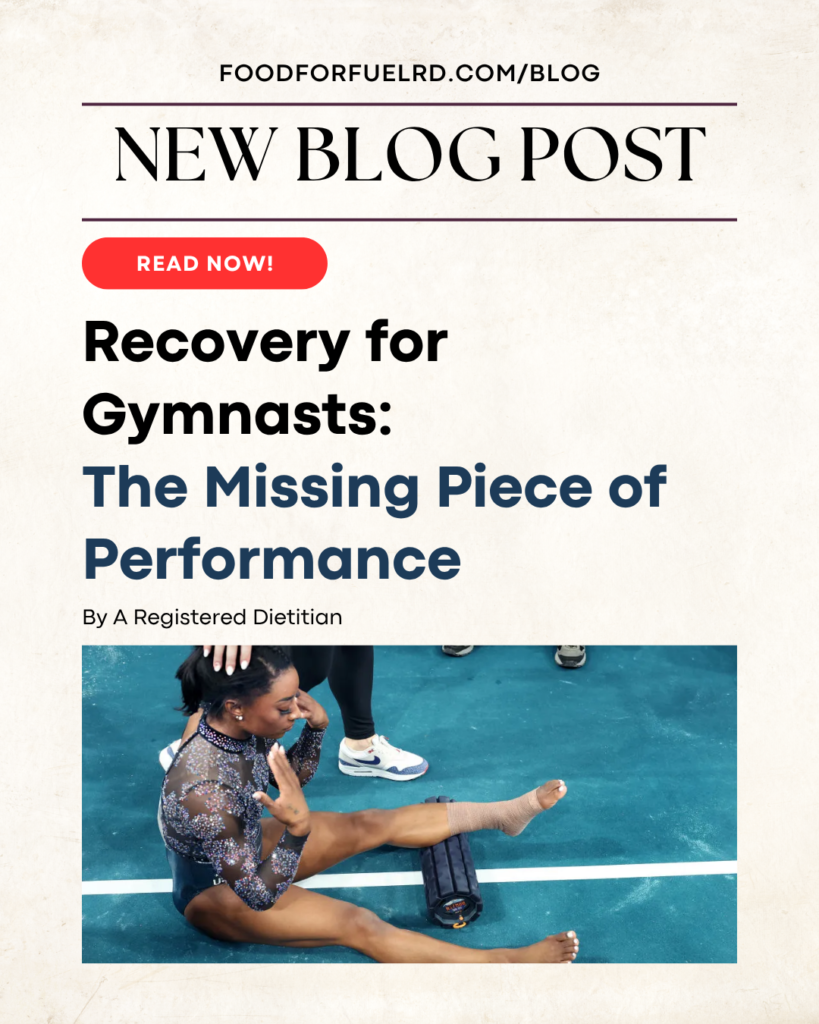
Recovery for Gymnasts: The Missing Piece of Performance
Gymnastics is a sport built on strength, precision, and repetition. Athletes spend hours in the gym perfecting skills, building power, and pushing their bodies to improve week after week.
But there’s one part of performance that is often overlooked — recovery for gymnasts.
Many gymnasts believe that getting better simply means training harder, doing more routines, cardio, and conditioning, and pushing through fatigue.
The reality is different.
Recovery for gymnasts isn’t something that just happens automatically. It is an intentional process, and without it, the body cannot adapt, repair, or perform at its best. In fact, recovery is often the missing piece between feeling constantly tired and actually getting better, faster, and stronger and competing strong throughout the season, year after year.
When recovery is prioritized, gymnasts feel stronger, more energized, and more resilient. When it’s ignored, fatigue builds, injuries become more likely, and performance starts to plateau or decline.
What Recovery Really Means in Gymnastics
Recovery for gymnasts is often misunderstood as simply taking a day off or getting a good night’s sleep. While rest is important, true recovery is much broader than that.
Recovery includes:
- Proper fueling and nutrition
- Adequate sleep
- Hydration
- Managing training load
- Supporting muscle repair
- Reducing physical and mental fatigue
- Allowing the body time to adapt
Training breaks the body down. Recovery is what builds it back stronger.
Without recovery, gymnasts stay stuck in a cycle of fatigue and stress. With proper recovery, the body repairs muscle tissue, replenishes energy stores, strengthens bones and connective tissue, and restores the nervous system.
This is what gymnasts to progress safely and consistently.
Why Recovery Is So Important for Gymnasts
Gymnastics places extremely high demands on the body.
Athletes are not just running or lifting weights. They are sprinting, jumping, tumbling, landing with high impact forces, holding strength positions, and repeating skills multiple times per session. This creates significant stress on muscles, joints, bones, and the nervous system.
Without proper recovery, this stress accumulates and over time, this can lead to:
- Constant soreness and fatigue
- Decreased strength and power
- Poor focus in training
- Increased injury risk
- Slower healing from minor injuries
- Burnout and loss of motivation
- Plateaued performance
Many gymnasts assume feeling tired all the time is normal. In reality, it’s often a sign that recovery is not keeping up with training demands.
Recovery is not a luxury; it is a performance tool.
The Role of Nutrition in Gymnast Recovery
As a sports dietitian, one of the most common recovery gaps I see in gymnasts comes from under fueling.
So many gymnasts are training multiple hours per day but are not eating enough to support recovery. This creates an energy deficit, meaning the body does not have the resources it needs to repair and rebuild.
Nutrition plays a central role in recovery because it directly supports:
- Muscle repair
- Glycogen (energy) replenishment
- Hormone balance
- Bone and tendon health
- Immune function
Without adequate nutrition, recovery simply cannot happen properly.
Key Nutrition Strategies for Recovery
1. Eat Enough Throughout the Day
Recovery starts long before and long after training.
Gymnasts need consistent meals and snacks across the day to provide a steady supply of energy and nutrients. Skipping meals or eating too little makes recovery much harder and slows down adaptation to training.
A balanced day fueling a gymnast typically includes:
- Breakfast
- Lunch
- Dinner
- 2–3 snacks
- Pre-training fuel
- Post-training recovery snack
This supports energy levels, reduces excessive fatigue, and helps the body repair itself efficiently.
2. Prioritize Post-Training Fuel
The period after training is one of the most important recovery windows.
After a long practice, the body needs carbohydrates to restore energy and protein to repair muscle tissue.
Simple recovery snacks include:
- Yogurt and fruit
- Chocolate milk and an apple
- Sandwich and milk
- Smoothie with fruit and protein
- Toast with peanut butter and banana
This doesn’t need to be complicated — just consistent. Even small recovery snacks can make a significant difference in how gymnasts feel the next day.
3. Carbohydrates Are Essential for Recovery
Carbohydrates are often misunderstood, but they are one of the most important nutrients for gymnasts, they help:
- Restore muscle glycogen (aka energy)
- Support training performance and recovery between practies
- Reduce fatigue
- Protect muscle tissue
Low carbohydrate intake can lead to low energy, poor recovery, and decreased performance.
Foods like rice, pasta, bread, potatoes, oats, fruit, and cereals are essential for fueling both training and recovery.
4. Protein Supports Muscle Repair
Protein helps repair muscle tissue that is broken down during training.
Gymnasts don’t need excessive protein, but they do need consistent intake throughout the day.
Good sources include:
- Eggs
- Chicken
- Fish
- Yogurt
- Milk
- Tofu
Spacing protein across meals and snacks helps maximize recovery and muscle repair.
Sleep: The Most Underrated Recovery Tool
Sleep is when much of recovery actually happens.
During sleep, the body releases growth hormone, repairs muscle tissue, restores the nervous system, and consolidates learning from training.
Gymnasts who consistently get enough sleep tend to:
- Recover faster
- Feel more energized
- Have better coordination
- Reduce injury risk
- Perform more consistently
Most young gymnasts need around 9–11 hours of sleep per night, while older athletes typically need 8–10 hours.
Poor sleep makes recovery significantly harder, even if nutrition and training are well managed.
Simple habits like consistent bedtimes, reducing screen time before bed, and proper evening fueling can support better sleep quality.
Hydration and Recovery
Hydration is another often overlooked piece of recovery.
Even mild dehydation can increase fatigue, reduce concentration, and slow muscle recovery.
Gymnasts should aim to:
- Drink regularly throughout the day
- Bring water to every practice (and electrolytes if needed)
- Rehydrate after practice
- Include fluids with meals and snacks
Hydration supports circulation, nutrient delivery, and muscle function, all of which contribute to effective recovery.
Signs a Gymnast Is Not Recovering Well
Recognizing early warning signs is important.
Some common red flags include:
- Constant tiredness and soreness
- Recurrent injuries
- Poor focus in training or low energy
- Mood changes
- Lack of progress
- Getting sick often
These signs often indicate that recovery needs more attention — particularly nutrition, sleep, or overall training load.
Addressing these early can prevent bigger problems later in the season.
Practical Recovery Habits Gymnasts Can Start Today
Recovery does not need to be complicated.
Small, consistent habits make the biggest difference.
Simple recovery habits include:
- Eating regularly throughout the day
- Having a post-training snack within 30–60 minutes
- Drinking enough fluids daily
- Getting adequate sleep each night
- Taking rest days seriously
- Listening to early signs of fatigue
- Always having balanced meals and snacks
These foundational habits support both performance and long-term athlete health
Recovery Is What Allows Gymnasts to Get Better
Training is only one half of the performance equation.
The other half is recovery.
Without recovery, the body cannot adapt to training, no matter how many hours are spent in the gym. With proper recovery — especially adequate nutrition — gymnasts can train consistently, reduce injury risk, and perform at their best throughout the season.
When gymnasts start prioritizing recovery, everything changes — energy improves, training quality increases, and performance becomes more sustainable.
And that’s why recovery is truly the missing piece of performance.
If you’ve ever felt like your gymnast is doing everything “right” in the gym but still struggling with fatigue, plateaus, or minor injuries, it’s probably not about training harder — it’s about recovering smarter. Recovery isn’t just rest; it’s the fuel, sleep, hydration, and intentional habits that let all those hours of hard work actually pay off. In my upcoming Spring Reset Masterclass,
Recovery isn’t just a pause between workouts , it’s where progress actually happens. If your gymnast has been feeling tired, plateaued, or struggling to hit the skills she’s been working on, the way she fuels and supports her body during recovery can make all the difference. That’s exactly why I created Next Season Starts Now!
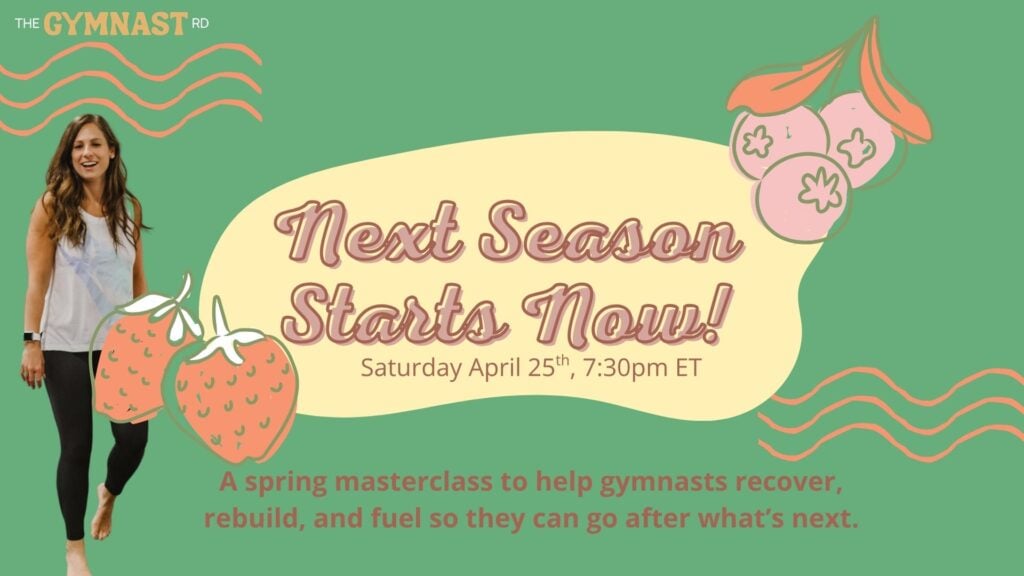
Next Season Starts Now is a brand new masterclass to help gymnasts and their families reflect on the past season, optimize energy, build strength, improve endurance, and make meaningful progress this summer, so they can head into the next season stronger, more confident, and fully supported.
I’ll show you exactly how to put recovery into action so your gymnast can feel stronger, more energized, and ready to crush every practice and competition. Don’t let all that effort go to waste. Let’s make recovery the missing piece that transforms performance.
Registration is open now, and I’d love to see you there!